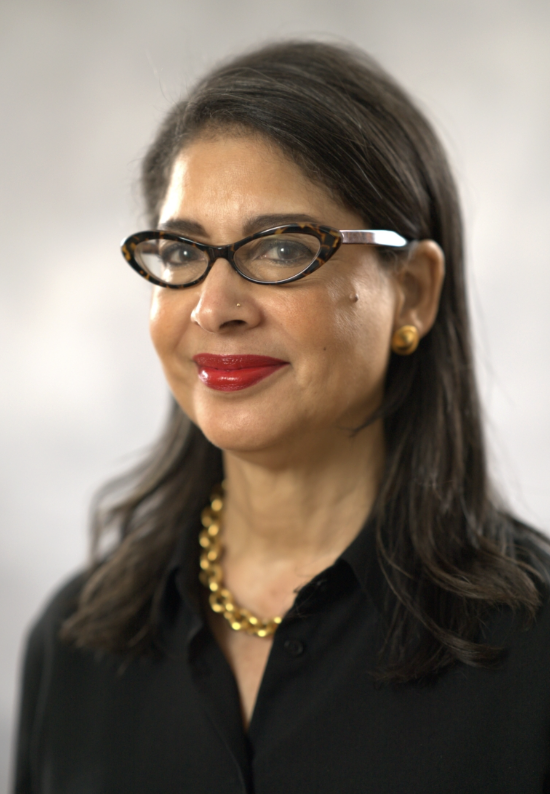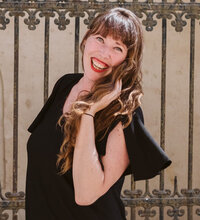

Phyllis Hollis: From Wall Street to the Paris Art World
What happens when you spend more than 30 years in investment banking—and then discover an entirely different world through art?
For Phyllis Hollis, that discovery ultimately led to a new career, hundreds of conversations with artists, the creation of the Cerebral Women podcast, and a bold new chapter living in Paris.
In this episode of La Vie Creative, I sit down with Phyllis Hollis to talk about creativity, reinvention, the Paris art world, community, self-doubt, and what she has learned after interviewing hundreds of artists and art professionals.
Her story is a wonderful reminder that creativity doesn’t have to follow a straight line—and that it is never too late to become curious about an entirely new world.
From Investment Banking to Art
Before becoming immersed in the art world, Phyllis Hollis spent decades working in finance.
Her career included institutional sales and trading, mortgage finance, derivatives, capital markets and fixed-income sales. Before Wall Street, she even spent five years as a systems engineer at IBM.
It was a world of numbers, technology and analytical thinking—and, particularly early in her career, a world dominated by men.
Phyllis recalls that one of the biggest challenges she experienced as a woman wasn’t inappropriate behavior, but rather inequality when it came to compensation.
Art wasn’t yet a major part of her life.
That began to change when she became involved with Rush Philanthropic in the early 2000s and started meeting artists. Those encounters developed into long-lasting friendships and introduced Phyllis to a creative community far removed from the environment she knew on Wall Street.
The Words That Changed Her Relationship With Art
One moment in particular stayed with Phyllis.
While attending a talk at the Brooklyn Museum featuring curator Antwaun Sargent and artist Titus Kaphar, she heard Kaphar say:
“Art will save us.”
At first, the finance-minded Phyllis was skeptical.
But the idea made her curious.
She began spending more time in museums, attending talks and becoming increasingly involved in the art world. She joined the board of Guild Hall in East Hampton and found herself surrounded by artists who inspired her to see the world differently.
Years later, the idea that art can transform us has become central to her work.
How the Cerebral Women Podcast Began
In 2019, a friend suggested that Phyllis had the perfect voice for a podcast.
She took the advice.
In January 2020, just before the COVID-19 pandemic transformed everyday life, Phyllis launched the Cerebral Women podcast.
The name actually originated years earlier.
Phyllis had created a Facebook platform as a response to reality television and the ways she felt women were being represented in popular culture. She wanted to encourage women to develop their intellect, talents, interests and skills.
When the podcast idea arrived years later, she realized the name could take on a new meaning.
This time, Cerebral Women would become a platform for artists, art professionals and creative thinkers. While Phyllis primarily features women, her conversations also include men working throughout the art world.
What Phyllis Hollis Has Learned From Interviewing Artists
One of my favorite parts of our conversation was hearing how spending so much time with artists has changed the way Phyllis sees the world.
Coming from technology and finance, she describes herself as a very literal thinker.
Artists opened another part of her mind.
Through her interviews, she has become fascinated not only by what artists create, but by how they see.
She hasn’t suddenly become a painter or musician. Instead, creativity has changed her intellectual curiosity and the things she notices and values.
She says artists have even helped her appreciate life’s simple pleasures on a deeper level.
And I had to challenge her on one thing during our conversation: her belief that she isn’t creative.
Because creativity isn’t reserved for painters, musicians and writers.
Creating a podcast, building a community and bringing hundreds of meaningful conversations into the world are creative acts too.
Even Successful Artists Struggle With Self-Doubt
After speaking with so many artists, Phyllis has noticed one struggle that appears again and again:
Self-doubt.
Even highly successful artists can wonder whether anyone will come to their exhibition.
They question their work. They worry about whether people will connect with it. They wonder whether they should listen to galleries, collectors and friends—or remain completely committed to their own instincts.
For emerging artists, those questions can become even more complicated when money enters the equation.
Should they change what they’re making?
Should they create work that might sell more easily?
Do they need a side hustle?
How do they earn a living while remaining true to their creative voice?
Phyllis has seen these insecurities appear even among artists whose careers might look incredibly successful from the outside.
It’s an important reminder for anyone pursuing creative work: success doesn’t necessarily eliminate uncertainty.
Why Phyllis Hollis Moved to Paris
Phyllis recently made another major life change: moving to Paris.
Why Paris?
Her answer is refreshingly simple.
She could.
Phyllis had been spending significant time in Mexico City and loved its culture and people. But a visit to Paris at the end of 2024 changed the equation.
As a member of the American Friends of the Louvre, she came to Paris for an exhibition and attended a dinner where she met around ten expats who shared many of her interests.
Suddenly, she could imagine something she hadn’t expected:
a community waiting for her in Paris.
As a single woman considering an international move, having that immediate support network mattered. So did feeling safe and comfortable while she learned the language.
And then, of course, there was the art.
Living in Paris as an Art Lover
For someone endlessly curious about art, Paris can feel like a never-ending education.
Phyllis now finds herself surrounded by museums, galleries, churches, architecture and centuries of art history.
Living in Europe has also exposed her to periods of art history she hadn’t previously explored deeply.
During a trip to Venice with friends who are gallerists and art historians, for example, she became fascinated by early 16th-century painters and the generations of artists they influenced.
Back in Paris, history is part of her everyday life.
She can walk near places connected to Eugène Delacroix, George Sand, Frédéric Chopin and Oscar Wilde. The writers, painters and thinkers she once encountered through books and conversations suddenly feel physically present in the streets around her.
As Phyllis says, she has become a flâneuse—wandering, observing and absorbing the city.
Paris has essentially become her ongoing art retreat.
Creativity, Community and Finding Your Peaceful Place
Phyllis’s work isn’t simply about discovering artists.
It’s also about advocating for them.
She wants people to learn about artists and art historians whose voices and work deserve greater attention.
And somewhere along the way, she realized these conversations were doing something for her too.
Before COVID, a friend encouraged Phyllis to find her “peaceful place.”
During the pandemic, she was constantly interviewing artists and publishing episodes. She realized that talking with creative people was exactly that place.
The conversations became therapeutic.
They energized her, opened her mind and introduced her to ways of thinking she may never have encountered otherwise.
It’s one of the reasons I relate so deeply to Phyllis’s story.
Talking to creative people can spark something in us. Their ideas make us curious. They encourage us to see possibilities we didn’t notice before.
How Can We Better Support Artists?
Phyllis believes one of the most important things art lovers and collectors can do is surprisingly simple:
Listen.
Listen to artists’ stories.
Listen to what they’re trying to communicate.
Be curious about experiences and cultures different from your own.
Throughout her interviews, Phyllis asks artists a recurring question:
What is the purpose of art?
After hundreds of conversations, she has come a long way from the woman who once questioned whether art could really “save us.”
Today, understanding what artists are trying to tell us is central to her mission.
Reinventing Yourself at Any Stage of Life
Perhaps the most inspiring part of Phyllis Hollis’s story isn’t simply that she left Wall Street or moved to Paris.
It’s that she remained willing to change.
Many people dream about reinventing themselves.
They imagine living somewhere new, starting a creative project, pursuing a completely different interest or building a life that looks nothing like the one they had before.
But imagining it and doing it are two different things.
Phyllis did it.
When I asked what gave her the courage, her answer brought the entire conversation together:
She needed to find her peaceful place.
And she did.
How Does Phyllis Hollis Define Creativity?
I ask guests on La Vie Creative how they personally define creativity.
Phyllis’s answer is beautifully simple:
Keeping an open mind and appreciating the smallest things in life.
Maybe creativity isn’t always about producing something extraordinary.
Maybe it begins with paying attention.
With curiosity.
With allowing ourselves to be changed by the people, art, cities and ideas around us.
For Phyllis Hollis, following that curiosity led from Wall Street to the art world—and eventually all the way to Paris.