
Berthe Morisot: The Forgotten Woman Who Helped Found Impressionism | Natalia Iacobelli on La Vie Creative
Why do we all know Claude Monet, Pierre-Auguste Renoir, and Edgar Degas, but so few people know the name Berthe Morisot?
Berthe Morisot was one of the pioneering artists of the French Impressionist movement, yet her extraordinary contributions to art history have often been overshadowed by those of her male contemporaries.
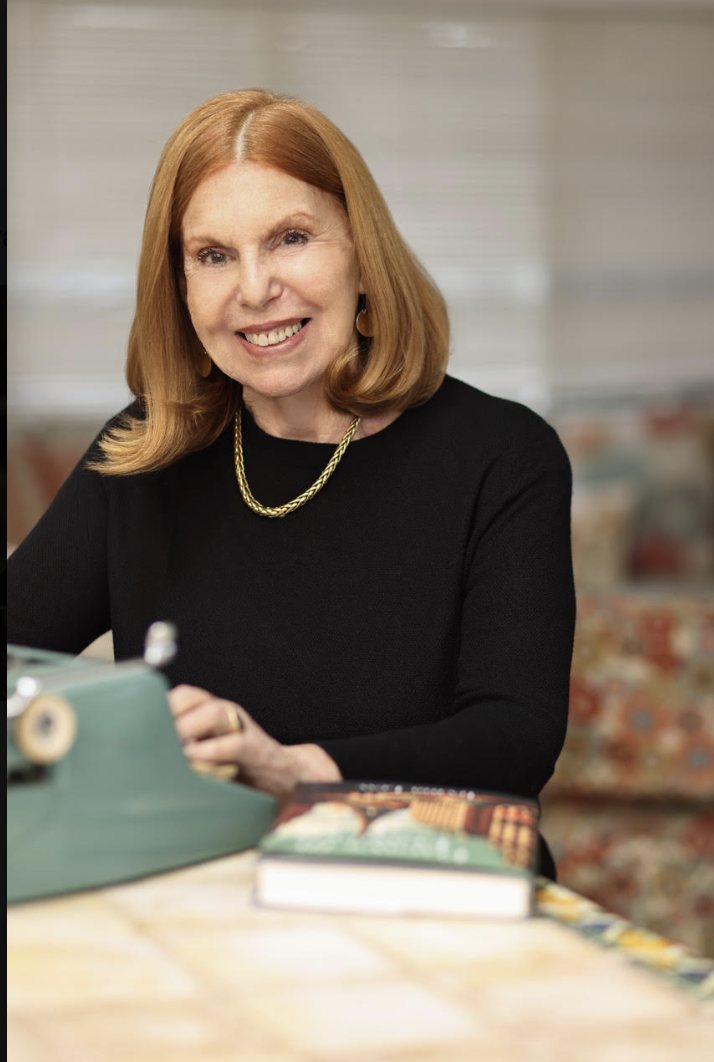
In this episode of La Vie Creative, Paris-based photographer and podcast host Krystal Kenney welcomes Natalia Iacobelli, author of the new illustrated children’s book Painting the Light: The Story of Berthe Morisot, First Woman Impressionist.
Together, we explore the fascinating life of Berthe Morisot, the challenges women artists faced in 19th-century France, and why introducing children to overlooked female artists matters more than ever.
Natalia also shares the behind-the-scenes story of her six-year journey to publish a children’s book, including rejection, perseverance, creative collaboration, and the importance of believing in stories that deserve to be told.
Whether you’re an art lover, parent, teacher, aspiring children’s book author, or creative entrepreneur, this conversation offers inspiration about art, history, motherhood, and following your creative dreams.
Who Was Berthe Morisot? The Female Pioneer of French Impressionism
When we think of French Impressionism, names like Monet, Renoir, and Degas immediately come to mind.
But Berthe Morisot (1841–1895) was an essential figure in the movement and one of the artists who helped shape its revolutionary approach to painting.
During the 19th century, women faced significant barriers to becoming professional artists.
In fact, women were not admitted to the École des Beaux-Arts in Paris until 1897, two years after Morisot’s death.
Despite these limitations, Morisot pursued painting professionally, exhibited her work at the prestigious Paris Salon, and became a founding participant in the Impressionist movement.
Her work explored intimate moments of everyday life, including family relationships, domestic interiors, motherhood, and the experiences of women.
Through expressive brushstrokes, delicate colors, and her fascination with natural light, she helped redefine what art could represent.
Yet for generations, her achievements received far less attention than those of her male contemporaries.
Natalia Iacobelli wants to change that.
Painting the Light: Why Natalia Iacobelli Wrote a Children’s Book About Berthe Morisot
Natalia’s journey began with a simple discovery.
As a mother with a background in art history, she loved sharing illustrated artist biographies with her young children.
They had explored books about famous painters such as Monet, Degas, and Cézanne.
But when Natalia went searching for a children’s picture book about Berthe Morisot, she couldn’t find one.
She realized that an important story was missing from the books available to young readers.
Rather than waiting for someone else to tell it, she decided to write it herself.
Her book, Painting the Light: The Story of Berthe Morisot, First Woman Impressionist, introduces children to a remarkable woman who pursued her artistic ambitions despite the expectations of her time.
Published by Reycraft Books in 2026 and illustrated by Rosana Tasker, the book combines storytelling, art history, and beautiful illustrations to make Morisot’s life accessible to young audiences.
For Natalia, the goal goes beyond teaching children about one artist.
It’s about changing the way we introduce the history of creativity to the next generation.
Why Are Women Artists Missing from Art History?
One of the central themes of our podcast conversation is the historical exclusion of women from the art world.
For centuries, women were discouraged or prevented from receiving the same artistic education and professional opportunities as men.
In Morisot’s lifetime, young women from privileged families might learn drawing or painting as a social accomplishment.
But pursuing art as a serious profession was another matter entirely.
Natalia explains how Morisot challenged these expectations.
While her talented sister Edma eventually gave up painting after marriage, Berthe continued pursuing her artistic career.
She found ways to balance marriage, motherhood, and professional ambition during an era when women were rarely encouraged to do so.
Her story raises an important question: How many extraordinary women have been overlooked simply because history was written through a narrow lens?
By introducing children to female artists, authors, scientists, and innovators, we can help create a more complete understanding of the past.
And perhaps inspire a more inclusive creative future.
Berthe Morisot, Motherhood, and the Art of Balancing Creativity
One of the most moving aspects of Berthe Morisot’s life was her determination to continue creating art while raising a family.
Morisot married Eugène Manet, brother of the celebrated painter Édouard Manet.
Eugène supported her artistic ambitions, and together they had a daughter named Julie.
Her family became an important part of her artistic world.
Morisot frequently painted the people closest to her, capturing intimate moments that reflected the everyday experiences of women.
During our conversation, Natalia shares her admiration for Morisot’s ability to navigate the expectations of marriage, motherhood, and professional creativity.
It’s a subject that continues to resonate with modern women.
How do we make space for creative ambitions while raising children, maintaining relationships, and managing everyday responsibilities?
Morisot’s life reminds us that these questions are not new.
Women have been negotiating the relationship between family and creative identity for generations.
The Cradle: One of Berthe Morisot’s Most Meaningful Paintings
One of Natalia’s favorite paintings is The Cradle, created by Berthe Morisot in 1872.
The painting depicts Morisot’s sister Edma watching over her sleeping daughter, Blanche.
Rather than presenting motherhood as an idealized concept, Morisot captures a quiet, intimate moment between mother and child.
The composition reflects the emotional depth of everyday family life.
Natalia shares a beautiful personal connection to this painting.
When her own daughter was born, she enlarged an image of The Cradle and hung it above her baby’s crib.
It’s a touching example of how art created more than 150 years ago can continue to resonate with families today.
And it demonstrates why introducing children to art history can be so powerful.
Art isn’t simply something to study in museums.
It can become part of our homes, our memories, and our personal stories.
How to Publish a Children’s Book: Natalia Iacobelli’s Six-Year Journey
While Painting the Light celebrates a pioneering artist, Natalia’s own creative journey is equally inspiring.
It took six years from the original idea to the publication of her children’s book.
She began writing the manuscript in 2020.
After multiple revisions and submissions, she experienced the reality many aspiring authors face: rejection.
Lots of it.
Natalia explains that traditional publishing is rarely a quick or straightforward process.
Even after completing a manuscript, authors must find a publisher willing to invest in the project.
Publishing houses consider market demand, production costs, sales projections, and many other factors before acquiring a book.
In 2022, Natalia finally received the news that her manuscript had sold.
But the waiting wasn’t over.
The book was originally scheduled for publication in 2025 before its release was moved to 2026.
From writing and editing to illustration, design, marketing, and production, the process required years of patience.
Lessons for Aspiring Children’s Book Authors
Natalia’s experience offers several important lessons for anyone dreaming of writing a children’s book:
- Write the story you wish existed. Sometimes the most meaningful creative projects begin by recognizing something missing.
- Expect revisions. A finished manuscript often goes through many transformations before publication.
- Don’t let rejection define your work. Finding the right publisher can take time.
- Understand that publishing is a business. Publishers must consider both creative quality and commercial viability.
- Embrace collaboration. Illustrators, editors, and designers all contribute to the finished book.
- Be patient with the process. A publishing deal is an important milestone, but it’s not the end of the journey.
Natalia’s story is a powerful reminder that creative success often requires persistence long after the initial excitement of an idea has faded.
The Art of Writing Illustrated Children’s Books
Writing for children might appear simpler than writing for adults.
But Natalia explains that creating an illustrated picture book requires a very specific kind of storytelling.
Every word matters.
Authors must communicate complex ideas through concise language while leaving room for illustrations to tell part of the story.
Natalia describes the process as being similar to sculpting: removing everything unnecessary until only the essential elements remain.
For a historical children’s biography, the challenge is even greater.
The author must remain faithful to the historical record while making the subject engaging and understandable for young readers.
In Painting the Light, illustrator Rosana Tasker helped transform Natalia’s words into a visual experience.
Their collaboration demonstrates how writing and illustration can work together to create something neither could accomplish alone.
How to Teach Children About Art History
One of the most practical parts of our conversation explores how parents and educators can introduce children to art, even if they don’t have a background in art history.
Natalia recommends starting with illustrated biographies.
Rather than beginning with complicated artistic movements or historical dates, introduce children to the person behind the artwork.
What were they like as a child?
What did they dream about?
What challenges did they face?
How did they discover their passion?
By connecting with an artist’s personal story, children can begin to understand art history through curiosity and empathy.
Simple Ways to Introduce Kids to Art
- Read illustrated biographies of artists from different backgrounds and historical periods.
- Visit museums and let children choose the paintings that interest them.
- Ask questions about the colors, emotions, and stories they see in an artwork.
- Encourage children to experiment with painting, drawing, and other creative activities.
- Introduce both male and female artists so children discover a wider range of creative role models.
The goal isn’t to turn every child into a professional artist.
It’s to help them understand that creativity belongs to everyone.
Why Berthe Morisot’s Story Matters for Girls and Boys
Natalia hopes Painting the Light encourages young girls to recognize that their ambitions are worth pursuing.
When children repeatedly encounter stories about famous male artists, they may begin to assume that artistic greatness belongs primarily to men.
But that is an incomplete picture of history.
Berthe Morisot’s story offers a different perspective.
She pursued her passion despite the barriers placed in front of her.
She developed a distinctive artistic voice.
And she helped shape one of the most influential art movements in history.
Importantly, Natalia emphasizes that this book is not only for girls.
Boys also benefit from learning about extraordinary women whose work has shaped our world.
By sharing these stories with all children, we expand their understanding of what’s possible.
What Berthe Morisot Can Teach Modern Creative Women
Although Berthe Morisot lived in 19th-century France, many of the challenges she faced remain relevant today.
Women continue to navigate competing expectations surrounding motherhood, career, relationships, and personal ambition.
For creative entrepreneurs, writers, photographers, and artists, finding time to pursue meaningful work can be especially challenging.
Morisot’s story reminds us that creative identity doesn’t have to disappear when other responsibilities enter our lives.
And Natalia’s own six-year publishing journey reinforces the same message.
Meaningful creative work takes time.
It requires resilience.
And sometimes, it means believing in a project long before anyone else recognizes its potential.
Creativity Is About Learning to See Differently
Toward the end of our conversation, Natalia shares a beautiful perspective on what creativity really means.
She explains that creativity isn’t necessarily about producing something completely new.
It’s about curiosity, storytelling, and discovering possibilities that others might overlook.
This philosophy connects directly to the Impressionist movement.
Artists like Berthe Morisot challenged traditional expectations by focusing on fleeting moments, changing light, atmosphere, and emotion.
They invited viewers to experience the world through a different perspective.
For Natalia, creativity is ultimately about finding new ways to understand and express what already exists around us.
It’s a message that applies to everyone, whether you’re writing a book, raising children, running a business, or simply trying to live a more creative life.
Listen to Natalia Iacobelli on La Vie Creative
In this inspiring episode of La Vie Creative, Krystal Kenney and Natalia Iacobelli discuss the extraordinary legacy of Berthe Morisot and the creative journey behind Painting the Light.
In this episode, you’ll discover:
- Who Berthe Morisot was and why she helped shape French Impressionism.
- Why women artists have historically been overlooked.
- How Morisot balanced motherhood and her artistic career.
- The inspiration behind Painting the Light.
- What it really takes to publish a children’s book.
- Why Natalia’s publishing journey lasted six years.
- How illustrations and storytelling bring art history to life.
- How parents can introduce children to famous women artists.
- Why creativity, persistence, and representation matter.
Listen to the full episode of La Vie Creative to discover how one forgotten artist inspired a modern author to bring her story to a new generation.
Where to Buy Painting the Light by Natalia Iacobelli
Painting the Light: The Story of Berthe Morisot, First Woman Impressionist is published by Reycraft Books and illustrated by Rosana Tasker.
The book is available through the publisher and major booksellers, including:
Supporting independent bookstores is also a wonderful way to help bring more diverse stories into the hands of young readers.
About La Vie Creative Podcast
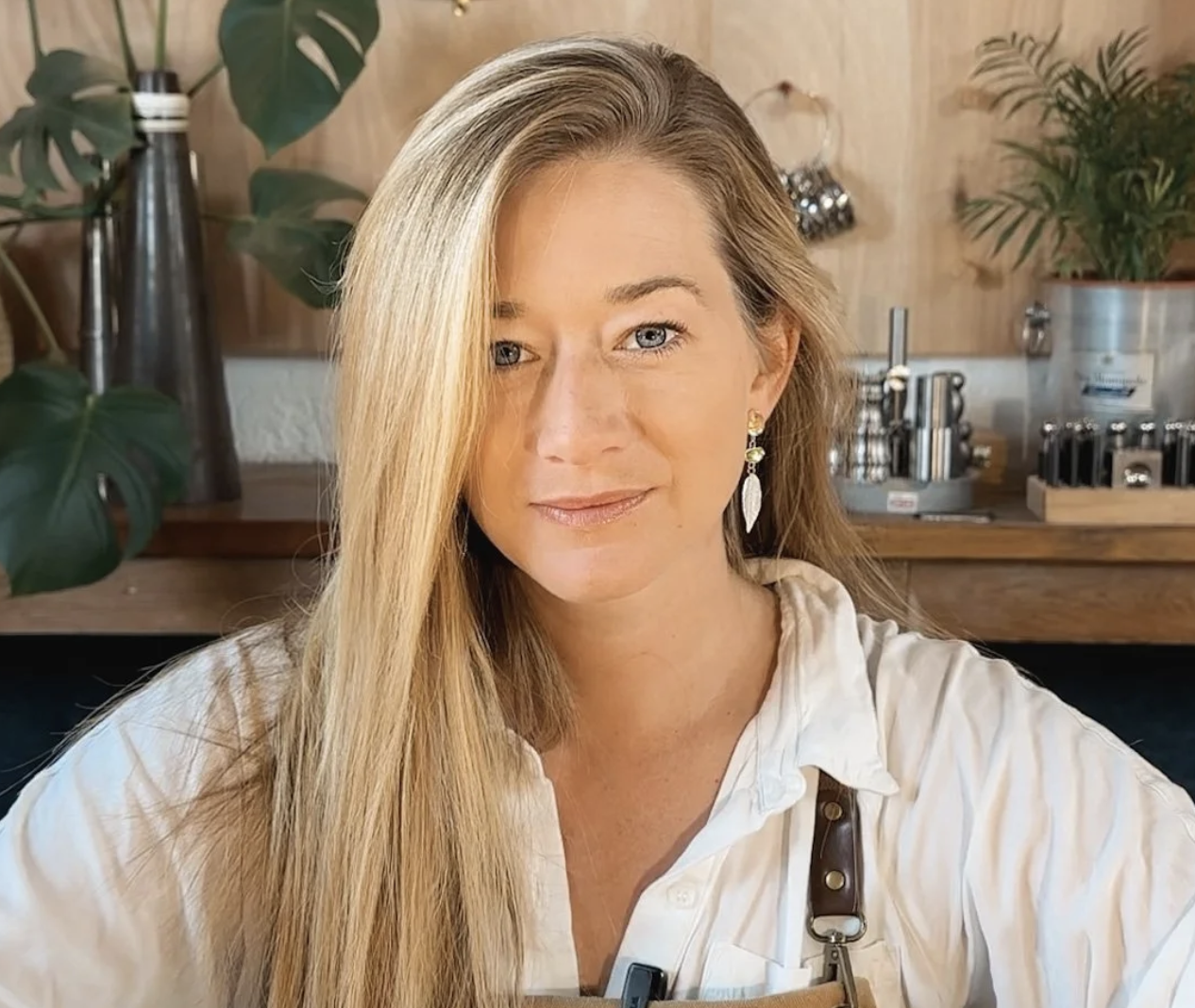
La Vie Creative is a podcast hosted by Krystal Kenney, an American photographer, entrepreneur, and creative living in Paris, France.
Through conversations with artists, writers, entrepreneurs, and creative thinkers, the podcast explores what it means to build a meaningful life through creativity.
From French art and culture to motherhood, entrepreneurship, reinvention, and following unconventional dreams, La Vie Creative celebrates people who are brave enough to create their own paths.
Discover more at Miss Paris Photo.
Enjoyed this episode? Share it with an artist, parent, educator, or aspiring author who believes that creativity and storytelling can change the world.